
Introduction
PAT testing (Portable Appliance Testing) is a key part of electrical safety compliance in the UK for landlords, businesses, and commercial property owners. It ensures that electrical appliances are safe to use and helps reduce the risk of electrical fires and equipment failure.
While PAT testing is not strictly a legal requirement in itself, UK health and safety regulations require that all electrical equipment is maintained in a safe condition — making PAT testing the most widely used method of demonstrating compliance.
What is PAT Testing?
PAT testing is the inspection and testing of portable electrical appliances to ensure they are safe for continued use.
A professional PAT test includes:
- Visual inspection of plugs, cables, and appliances
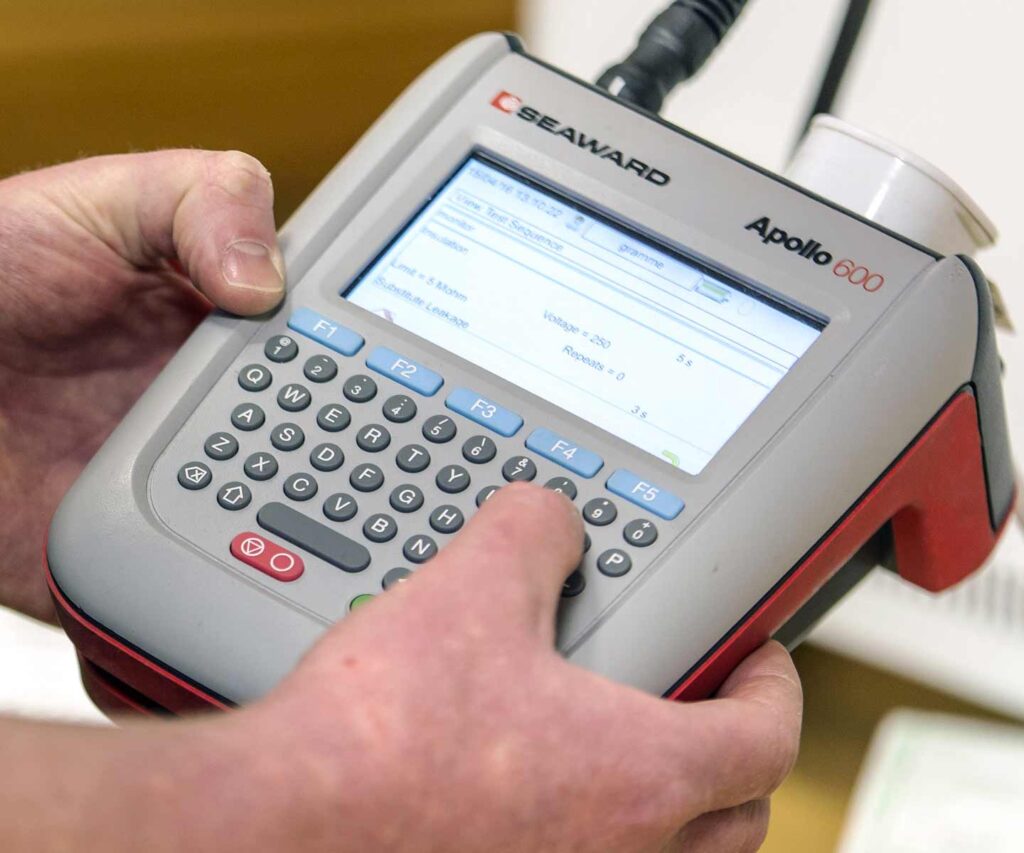
- Electrical safety testing using calibrated equipment
- Identification of electrical faults or hazards
- Labelling of appliances as pass or fail
- Full compliance report for records and insurance
Common items tested include kettles, computers, extension leads, chargers, heaters, and office equipment.
PAT Testing Legal Requirements in the UK
There is no specific law that states PAT testing must be carried out at fixed intervals. However, under the Health and Safety at Work Act 1974 and the Electricity at Work Regulations 1989, employers and landlords must ensure electrical equipment is safe.
PAT testing is the most practical and widely accepted way of demonstrating this duty of care.
Who Needs PAT Testing?
PAT testing is recommended for:
Landlords
To demonstrate compliance with electrical safety expectations and reduce tenant risk.
Businesses & Offices
To ensure workplace electrical equipment is safe and reduce liability.
Commercial Properties
Including shops, warehouses, and hospitality venues where equipment is used daily.
How Often Should PAT Testing Be Carried Out?
Recommended PAT testing intervals vary depending on risk:
- Offices: every 1–2 years
- Landlords: at change of tenancy or every 1–2 years
- Construction tools: every 3–6 months
- High-risk environments: annually or more frequently
Risk assessment determines frequency.
Why PAT Testing is Important
Regular PAT testing helps:
- Reduce risk of electrical fires and accidents
- Ensure compliance with UK safety regulations
- Support insurance requirements
- Protect tenants, employees, and customers
- Identify faults before they become dangerous
Conclusion
PAT testing in the UK is an essential part of maintaining electrical safety for landlords and businesses. It provides clear evidence of compliance and helps ensure all portable electrical equipment remains safe to use.
For professional PAT testing services, regular inspections help maintain compliance and protect property occupants.